Key takeaways:
In many zip codes across the U.S., Black babies are more likely to die before their first birthday than white babies.
Destiny White, who lost a son hours after she gave birth, says she recognizes that there are racial disparities in maternal and infant healthcare.
She wants to do something to erase the inequities.
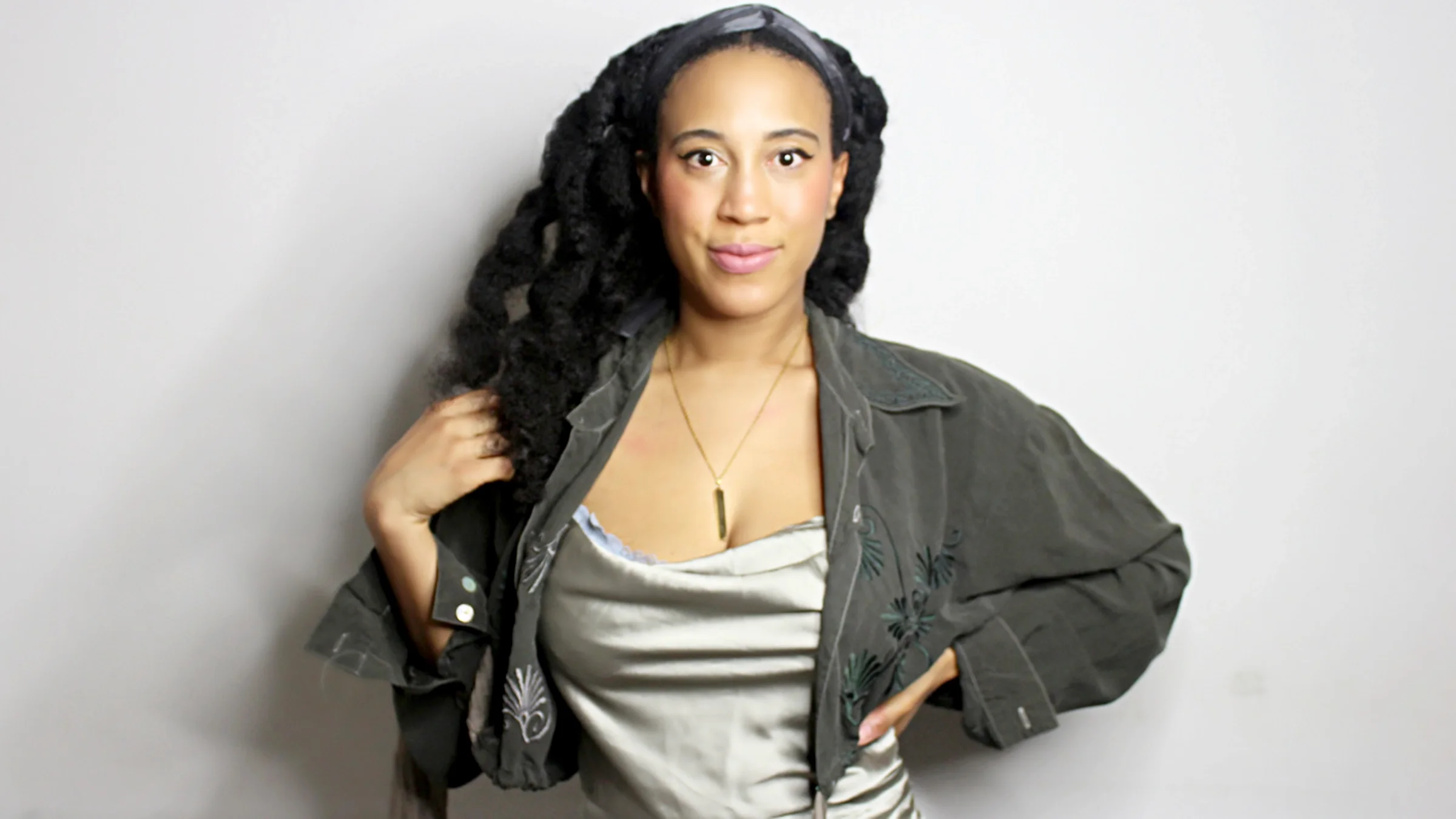
Giving birth is usually a positive experience. For 33-year-old Destiny White, who lives in the Los Angeles neighborhood of Northridge, that has not been the case.
Throughout her three pregnancies, Destiny had to deal with tremendous uncertainty — and fight to get the proper care. Her second child died only hours after she gave birth.
In the aftermath of her son’s death, Destiny learned the infant mortality rate is much higher in the Black community than in other communities. That’s how she became an advocate: speaking out about racial disparities in maternal and infant healthcare.
“As a Black woman, as a woman of color, our voice is already limited,” she says. “Our experiences are constantly shunned and put to the side. And I feel like this is something that needs to be brought to the forefront.”
Not feeling heard
Destiny’s first child was born at 34 weeks, about 6 weeks premature. So during the second trimester of her second pregnancy, Destiny’s doctors talked to her about ways she might be able to carry her baby to term.
They were deciding whether to do a cerclage (temporarily sewing the cervix shut) or injections to prolong the pregnancy. But before they had a chance to do anything — at 20 weeks and a couple of days — Destiny started having sharp contractions. She immediately went to the emergency room. And the doctors there told her that her amniotic sac had a leak in it.
Destiny wanted to wait a day or two to weigh her options, but her doctors said there was a risk of the sac completely popping. They told her her baby was not likely to live. And she didn’t feel like anyone was advocating for her.
A traumatizing week in the hospital
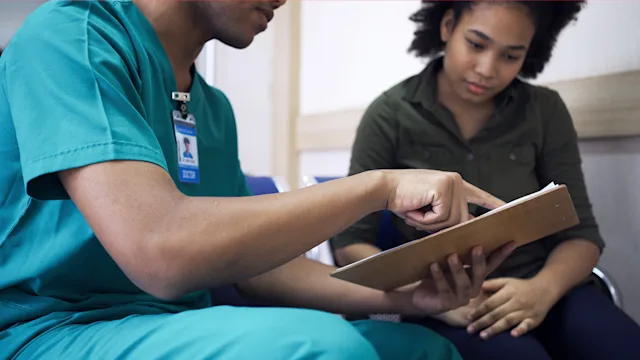
While her nursing team was kind, Destiny says she remembers feeling like no one was interested in helping her try to save her baby.
She wasn’t at a hospital with a neonatal intensive care unit equipped to handle a baby born at 20 weeks. The closest hospital with that level of care was 15 minutes away, so she transferred there. But even at the new hospital, she says, she still felt a lack of compassion.
“They never made it seem like there was any option to save this baby,” Destiny says.
At 21 weeks and a few days — a little more than half the length of a typical pregnancy — Destiny went into labor and delivered her son. He died a few hours later.

Read more like this
Explore these related articles, suggested for readers like you.




Facing grief and new life
Destiny says losing her son “was the most depressing part of my life.”
The days that followed were the isolated ones of the COVID-19 pandemic. But, eventually, the days improved. And Destiny got pregnant again.


But, once again, she felt dismissed by healthcare providers.
“I’d be waiting for like an hour, hour and half, sometimes up to 3 hours for an appointment I had set weeks ago,” she says.
This time, Destiny found her voice. And her prenatal care improved.
While searching for others who shared her experiences, Destiny came across a Twitter account run by Black mothers whose mission it is to reduce racial inequities in breastfeeding support for Black families.
“They’re talking about different experiences that women of color experience when they give birth and giving tips on how to advocate, how to be there for your friends or family who might be giving birth,” Destiny says.
The group provided a community for Destiny to rely on.
The importance of speaking up
During her third pregnancy, Destiny began speaking up with her care team. “I felt like I could actually have a conversation with them,” she says.
She took precautions that she wasn’t able to take with her second pregnancy. She had the surgery to temporarily close her cervix, and she was on bed rest for several months to prevent going into early labor. Bed rest was hard on her, since she was used to being active and working on gigs and projects as a content creator. But she had a healthy son who was born close to full term, at 38 weeks.
Today, she wants others to feel empowered when they’re in a circumstance in which they need to advocate for themselves.
“I’m going to be an advocate for myself,” she says. “I’m going to make sure that I’m heard in these rooms. And if I’m not heard, I will automatically switch to another doctor and talk to somebody that will listen to me.”

Why trust our experts?